
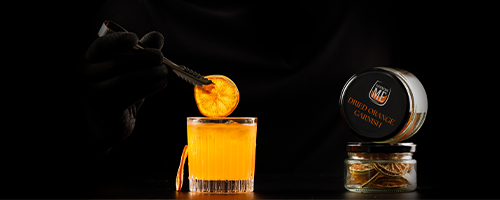


Fresh lime looks sharp for a while, then it turns dull, and then it goes in the bin.
Across the UK, bars are quietly changing how they approach presentation and prep. Behind the counter, smarter choices are being forced by rising costs, smaller margins, and sustainability pressure. The use of Dehydrated Cocktail Garnish is one subtle but significant change. This article explains why UK bars are adopting it quick, the way it improves operations, and what makes it commercially sensible nowadays.
The UK Bar Scene Is Evolving
Hospitality within the UK isn't always what it was 5 years in the past. Energy expenses are higher. Ingredient expenses differ. Staffing may be unpredictable. Every detail now affects profitability.
Garnishes used to be an afterthought, A slice of lemon, A wedge of orange and Quick and simple.
But fresh fruit creates daily prep work, it spoils fast, and it varies in appearance depending on who cuts it and how busy the shift is. Waste increases quietly, and it adds up.
Dehydrated alternatives solve several of these small but costly issues at once. It’s not dramatic. Just practical.
Waste Reduction Is a Real Business Strategy
Sustainability is no longer just branding. Customers notice, and Operators track it seriously.
Reports from UKHospitality and food waste companies always highlight waste discount as a priority for venues. Fresh citrus is one of the most commonly discarded bar gadgets. At the end of the night, unused slices often cannot be reused.
Dehydrated garnishes have an appreciably longer shelf life. Stored efficaciously in airtight containers, they are able to last for weeks or maybe months. No refrigeration required. No daily slicing.
Less spoilage means lower overhead. Simple maths, really.
And when a venue highlights reduced waste, customers respond positively. It builds trust, even if subtly.
Consistency Matters in the Instagram Era
Drinks are photographed almost as much as they are consumed. Presentation now carries marketing value.
Fresh fruit varies. Thickness changes. Colour fades. During peak hours, speed often overrides precision.
Dehydrated slices offer:
• Uniform size and colour
• A polished, artisanal look
• Longer-lasting structure in the glass
An orange wheel that holds its shape under warm bar lighting looks intentional. Refined. It photographs well. That consistency supports brand identity more than many realise.
Small visual upgrades influence perception.

Speed and Efficiency Behind the Bar
Busy UK venues cannot have the funds for sluggish service, especially in high-visitor regions like London, Manchester, or Birmingham nightlife districts.
Fresh garnish prep consumes time before each shift. During service, replenishing stock interrupts flow. Staff pressure increases.
Pre-prepared dehydrated garnishes reduce that burden. They are ready to use. Grab and place.
The benefits are operational:
• Faster drink assembly
• Reduced prep hours
• Smoother high-volume service
It might seem minor. But multiplied across hundreds of drinks per evening, efficiency gains become noticeable.
Flavour and Creativity Expansion
By eliminating water, dehydration preserves fragrant molecules and critical oils. Sometimes the flavor receives a touch more potent.
UK bartenders are experimenting more. Beyond lemon and lime, popular options now include:
• Blood orange
• Pineapple
• Apple
• Grapefruit
• Mixed seasonal citrus
Less waste, faster service, more visual uniformity, and support for environmental goals are some of the reasons why dehydrated cocktail garnishes are becoming popular in UK pubs.
Creativity increases without increasing prep complexity.
Cost Predictability and Inventory Control
Fresh produce pricing fluctuates with seasons and supply chains. Spoilage further reduces usable stock.
Working with a reliable Cocktail Garnish Supplier Uk introduces stability. Bulk orders. Predictable shelf life. Consistent sizing.
Inventory management becomes easier. Smaller venues especially benefit because they no longer need daily produce deliveries.
Margins improve gradually, not overnight. But steady improvement is more sustainable.
Premiumisation of UK Cocktail Culture
The UK drinks marketplace continues to lean toward top-class stories. Customers are inclined to pay more for craft satisfactory and attention to detail.
A carefully selected garnish signals thoughtfulness. It suggests that the drink was designed, not assembled in a rush.
Even non-alcoholic cocktails gain. Presentation turns into part of the price proposition, particularly as alcohol-free traits develop across the UK.
Details matter more than ever.
Transitioning Without Disruption
Adopting dehydrated garnishes does not require dramatic menu changes.
Bars can begin with high-volume drinks like:
• Gin and tonic
• Negroni
• Aperol spritz
• Old fashioned
Track waste before and after implementation. Train staff on consistent placement for presentation standards. Store correctly to prevent moisture exposure.
Gradual transition reduces risk. It also allows teams to evaluate impact realistically.
Key Takeaways
Dehydrated cocktail garnishes are gaining traction in UK bars due to the fact that they reduce waste, enhance provider tempo, hold visual consistency, and promote resource sustainability goals. They offer price control without sacrificing creativity or top-rate attraction. Operational performance and client perception both advantage.
For venues seeking to refine their presentation while managing margins carefully, sourcing first-rate garnishes is crucial. Garnish Me supplies expert-grade dehydrated cocktail solutions designed to guide current UK bars with reliability, consistency, and style.